When my father founded Adina Watches 54 years ago in Brisbane, sustainability wasn’t the buzzword it is today. Back then, it was more about being resourceful, practical, and doing what made sense — both ethically and financially. And that ethos remains deeply embedded in everything we do at Adina.
As a second-generation family-owned Australian watch manufacturer, we’ve grown and evolved over the decades, but our focus has never wavered: to build beautiful, reliable timepieces right here in Australia, and to do it responsibly. Our commitment to sustainability is not about marketing; it’s about doing what’s right — even when no one is watching, and even when there’s no rebate or recognition for it.
Take our solar initiative, for instance. We recently installed 120 solar panels on the roof of our Brisbane factory. These panels now produce twice our daily power needs. We don’t receive a rebate or feed-in tariff for the excess electricity we generate — it simply goes back into the grid. Why? Because it’s the right thing to do. If we can reduce our reliance on fossil fuels and help power our community in the process, that’s a win in our book.
But sustainability isn’t just about the big-ticket initiatives. It’s about the little things — the daily choices that add up to make a meaningful impact.
One of the simplest yet most effective practices we’ve had in place for years is the recycling of cardboard boxes. Every day, boxes arrive filled with components and materials. Instead of discarding them, we reuse them to send out orders to our retailers. It’s practical, it saves money, and it reduces waste — a true win-win. There’s no fancy slogan behind this practice. It just makes sense.
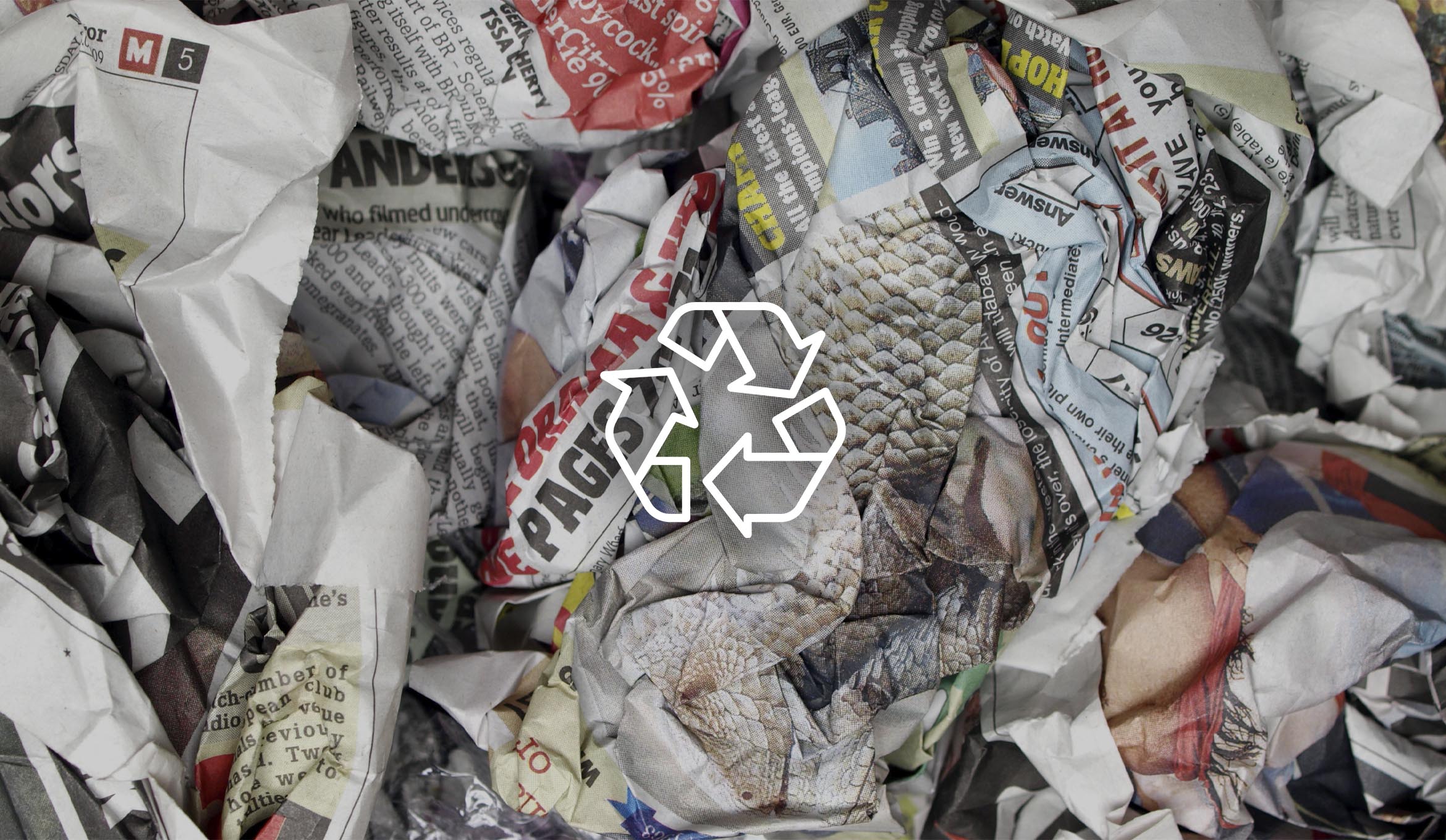
When it comes to our watches, we’re equally mindful. Once a watch has passed our rigorous quality checks, it’s placed in a plastic sleeve, which is often on its second or third use, then wrapped in newspaper — yes, actual newspaper from our local newsagent. It’s a simple way to give that paper one more use before it hits the recycling bin. It’s not glamorous, but it’s thoughtful.
Of course, we know that presentation matters — especially for our online customers. That’s why every online order is packed with brand-new tissue and boxing to emulate the premium in-store experience. But this has sparked a broader — and necessary — conversation with our retail partners.
Many of our retailers now want that same “unboxing” experience — pristine packaging, fresh tissue, glossy boxes. But I’ve asked them: what’s the benefit, really? Isn’t it just adding cost and waste?
Let me put it this way: If we offered two options to our partners —
- Free packaging that’s recycled and reused, or
- New packaging for $5 extra,
Which one would you pick?
For us, this question isn’t hypothetical. It’s at the heart of what it means to be sustainable in today’s world. It’s about rethinking priorities, balancing experience with impact, and recognising that sustainability is not about perfection — it’s about progress and integrity.
We’re also proud to recycle waste steel from our watch cases and bracelets — another effort that reflects our no-waste philosophy. Instead of sending offcuts to landfill, we make sure that every usable bit of material finds a new purpose. Again, it’s not glamorous, but it’s responsible.
Being a manufacturer in Australia comes with challenges. Labour costs are higher, raw materials can be expensive, and we face stiff competition from overseas. But we also have the freedom — and the responsibility — to do things our way. And for Adina, that means putting sustainability, quality, and ethics at the heart of our business.
After more than five decades, we’ve learned that being a good corporate citizen isn’t just about ticking boxes or chasing green awards. It’s about doing the right thing — consistently, quietly, and proudly.
At Adina, we’ll continue to question waste, challenge the status quo, and look for ways to make better choices. Because we’re not just building watches — we’re building a legacy.
And for me, that legacy must be one of quality, integrity, and responsibility — now, and for generations to come.