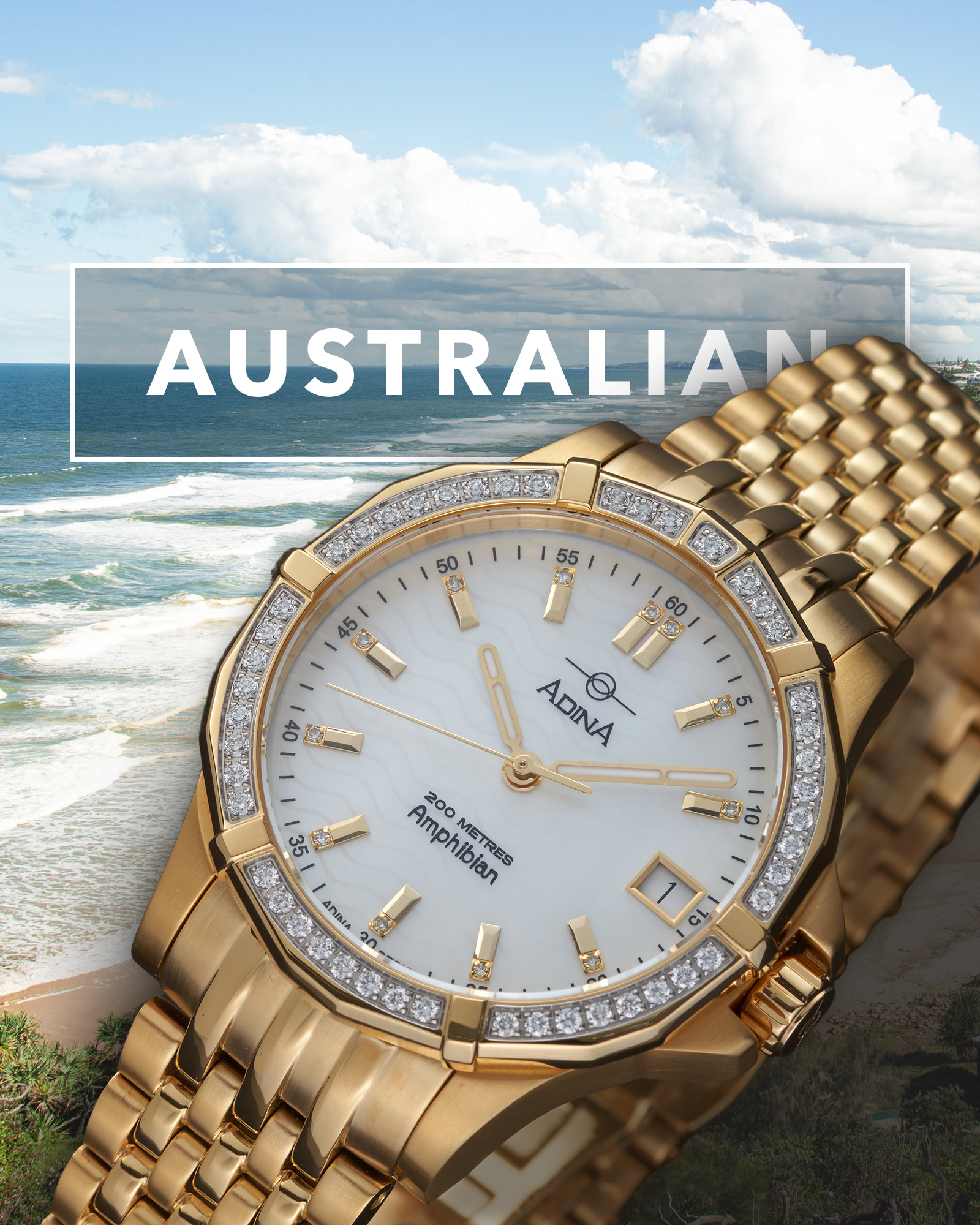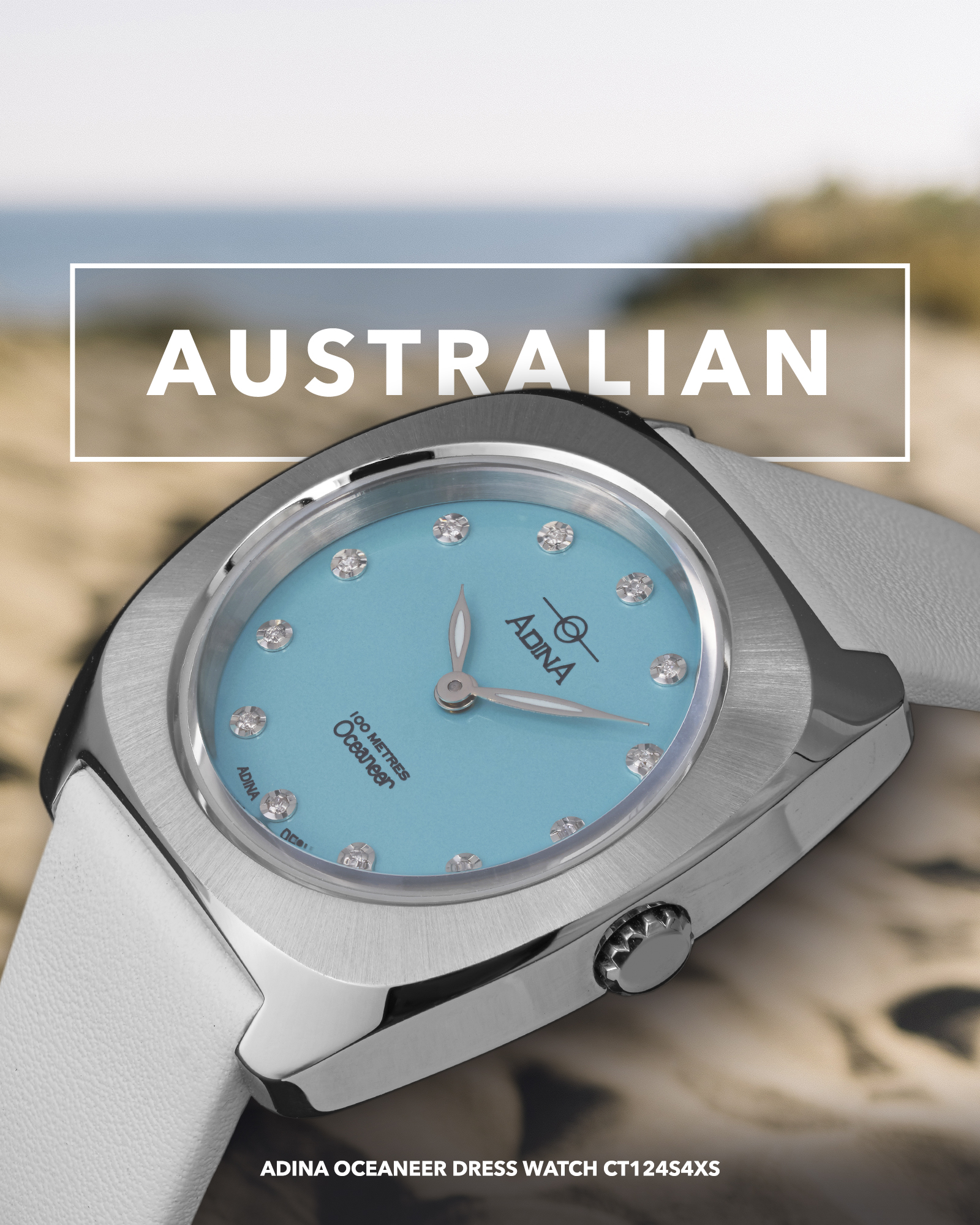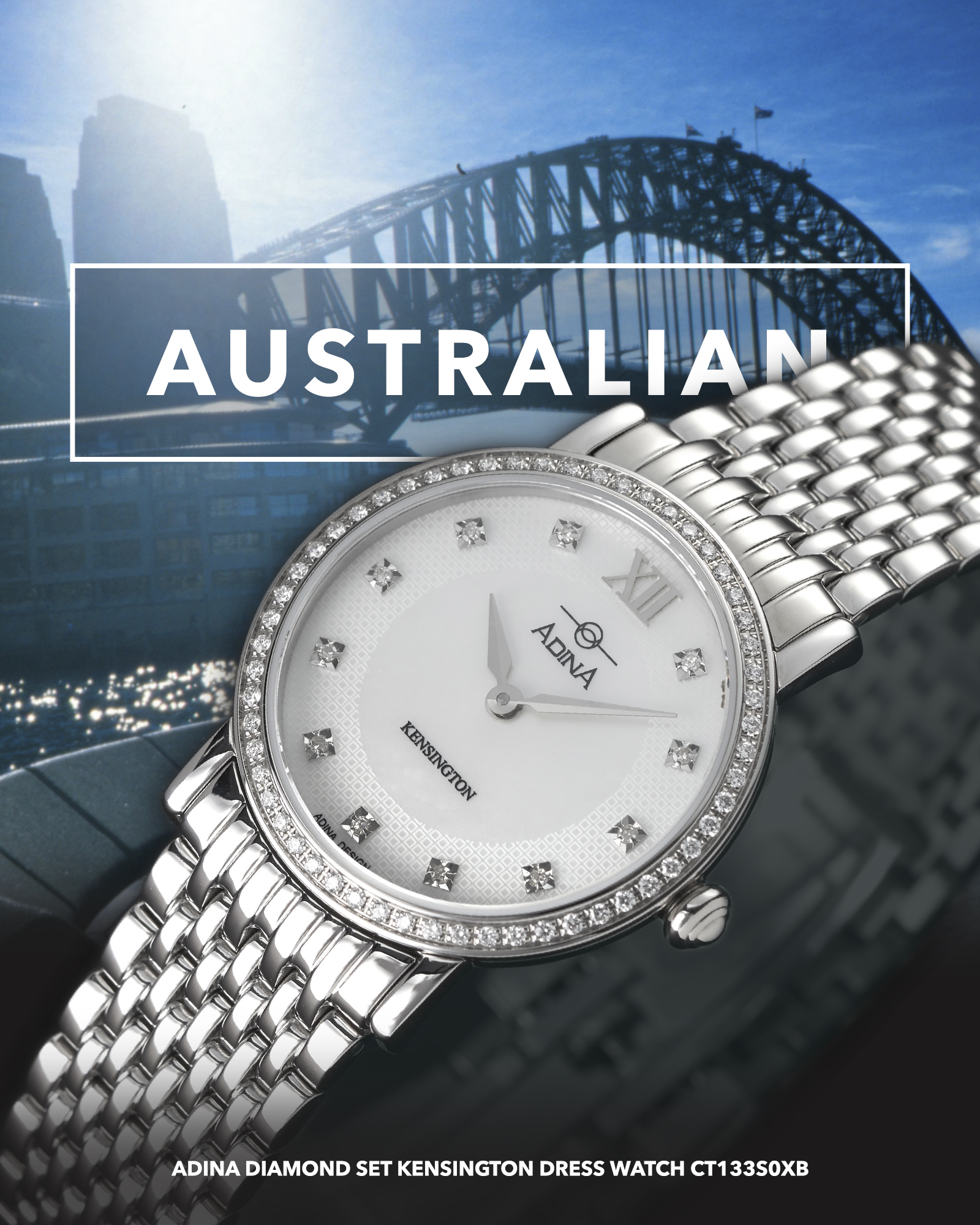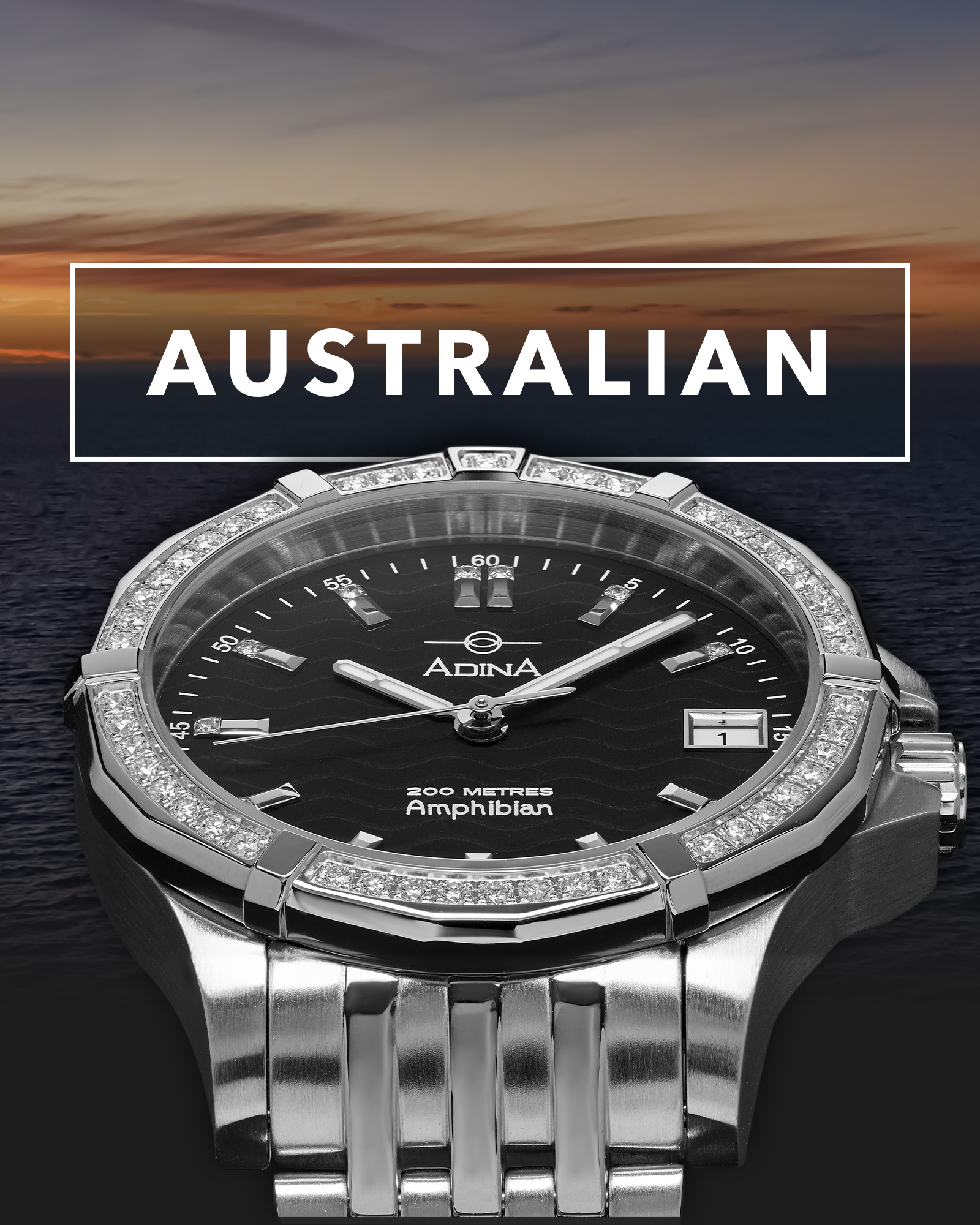
As the second-generation leader of a 55-year-old Australian family manufacturing business, I watch global luxury market signals closely. Reports like HSBC’s recent analysis of the luxury sector don’t just speak to the European fashion houses. To me, they highlight broader shifts in consumer confidence, global supply chains and economic stability that affect premium manufacturing everywhere, including here in Australia.
With the recent onset of war in the Middle East, the report arrives at a challenging moment for the luxury industry. Major global players have already reported softer revenues through 2024, reflecting a broader slowdown. Analysts describe the current environment as a textbook example of “VUCA”, that is volatility, uncertainty, complexity and ambiguity. It’s a term that resonates far beyond luxury fashion. For manufacturers, it captures the reality of operating in a world where geopolitics, currencies, supply chains, and consumer sentiment can all shift very quickly.
In my opinion, discussions in Europe about increased defence spending, combined with a weakening US dollar, are creating headwinds for the luxury sector. Many luxury goods are produced in Europe but sold globally, so currency movements directly affect competitiveness and margins.
Three major concerns stand out to me.
First, currency dynamics remain uncertain. A strong Euro, relative to the US dollar, makes European exports more expensive, and the expectation that the two currencies won’t reach parity any time soon puts additional pressure on brands that rely heavily on international sales.
Second, financial markets have softened since mid-February. Equity and cryptocurrency markets have both seen sharp declines, and retirement portfolios in the United States have taken a hit. For luxury brands, this matters because wealth perception and consumer sentiment are closely linked. When people feel less financially secure, discretionary spending, particularly at the premium end, can slow.
Third, confidence itself is under strain. Consumers don’t purchase luxury products solely because they have the means. Again, in my opinion, they do so because they feel optimistic about the future. Ongoing tariff tensions and geopolitical uncertainty, from shifting alliances to conflict zones, have added another layer of unpredictability that directly affects demand.
While analysts note that US equity markets remain significantly higher than they were one, two or even five years ago, meaning real wealth creation has occurred, the psychological impact of short-term volatility should never be underestimated.
Despite these challenges, there are still reasons for optimism. The United States remains a critical growth market for premium brands, and there is continued belief that strong product innovation and brand storytelling can bring new customers into the fold.
China may also be approaching the bottom of its recent demand cycle. Signs of recovery in equity markets and a more pro-business tone from the Chinese government suggest that luxury demand could begin stabilising.
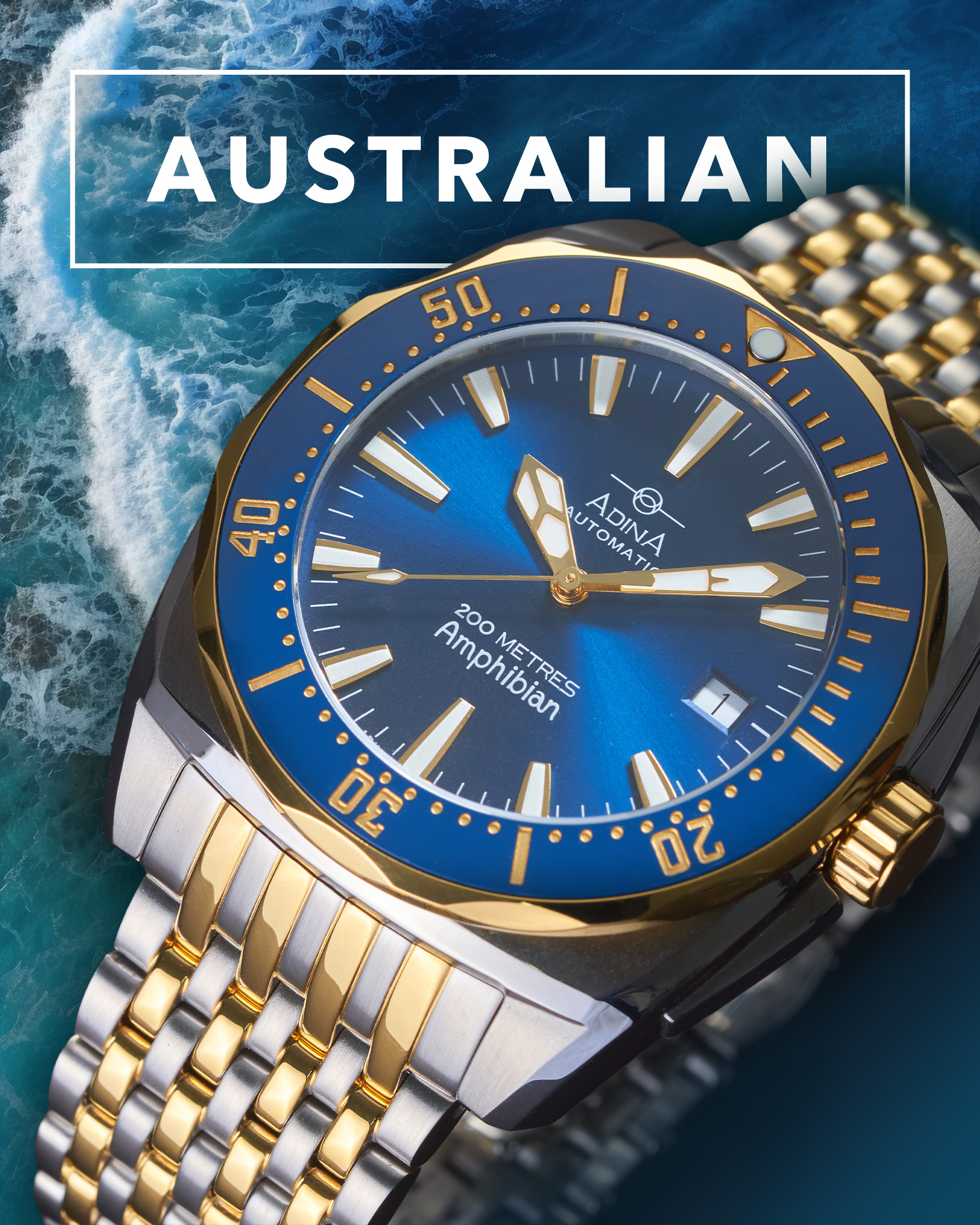
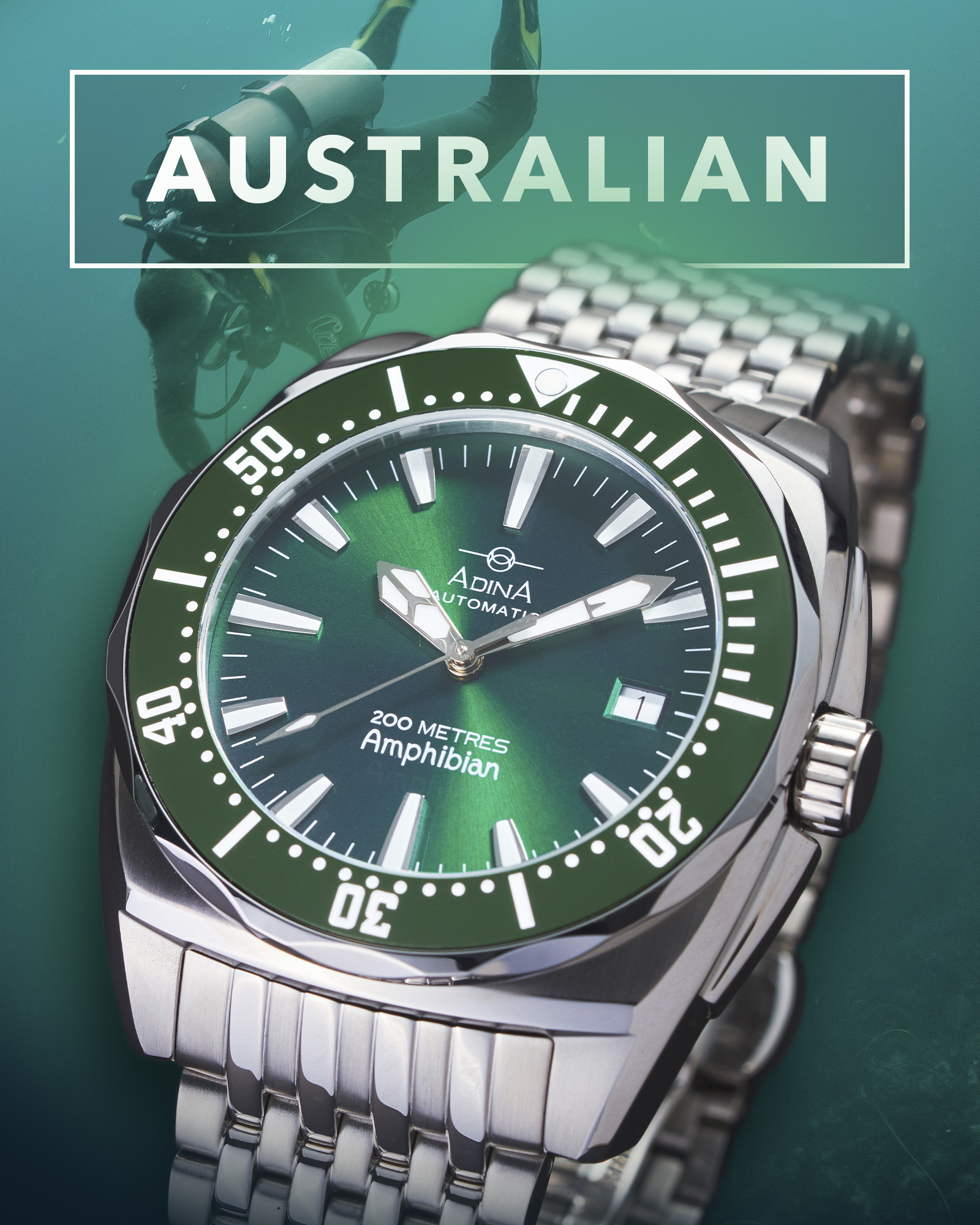
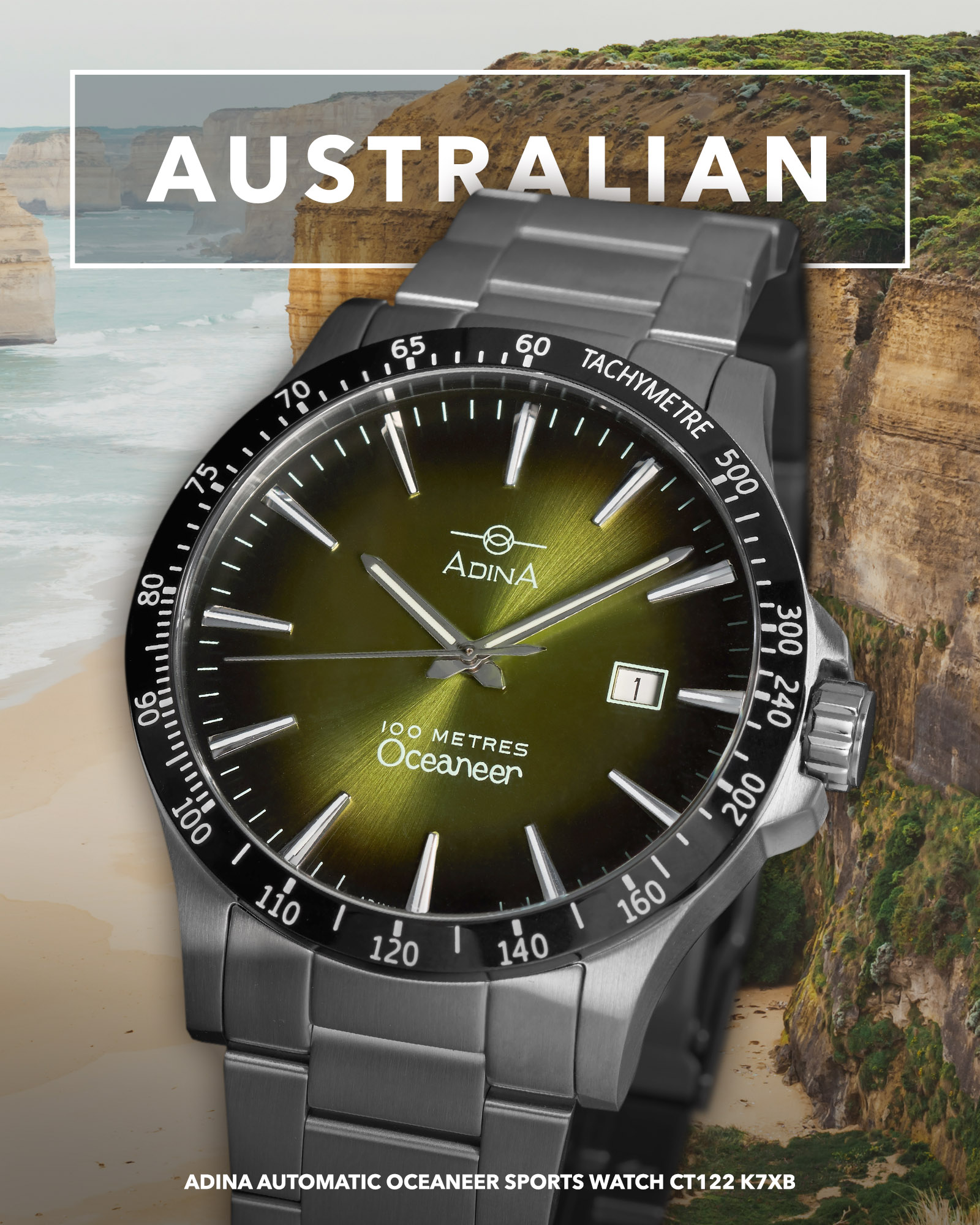
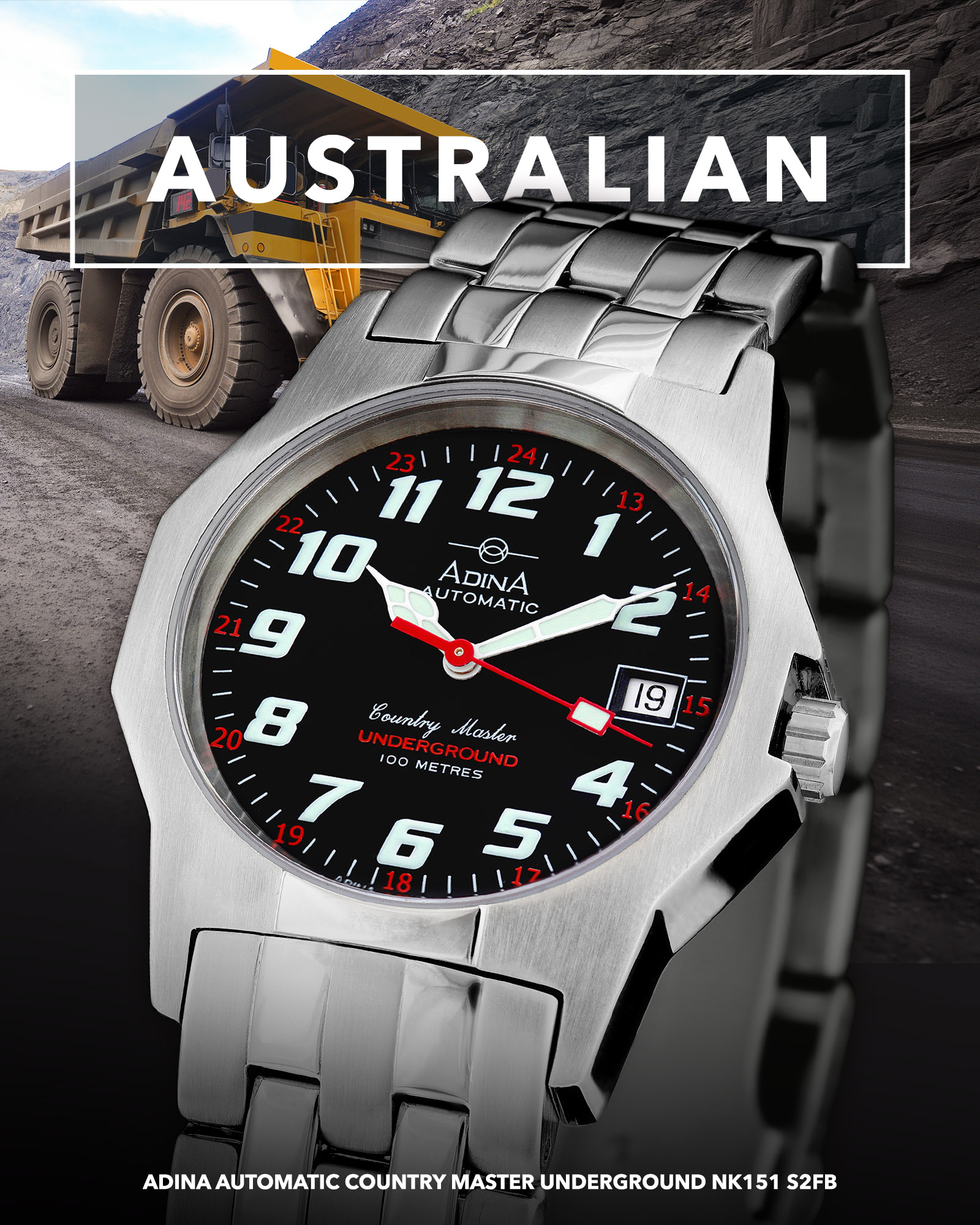
For Australian manufacturers like us here at Adina Watches, these global dynamics reinforce some important lessons.
Firstly, the value of sovereign capability is becoming clearer than ever. When supply chains become unpredictable, and currencies fluctuate, having the ability to design, engineer and manufacture locally becomes a strategic advantage. Australia may not compete with Europe in sheer scale of luxury production, but we punch outside our weight division when we compete on authenticity, craftsmanship and resilience.
Secondly, premium manufacturing, as stated, in my opinion, thrives on confidence, not just consumer confidence, but our national confidence in our ability to make things. For decades Australia allowed large parts of its manufacturing base to erode. Yet the past few years have reminded us that domestic capability is not just an economic asset. It is a strategic one as well. Just look outside at the current petrol price!
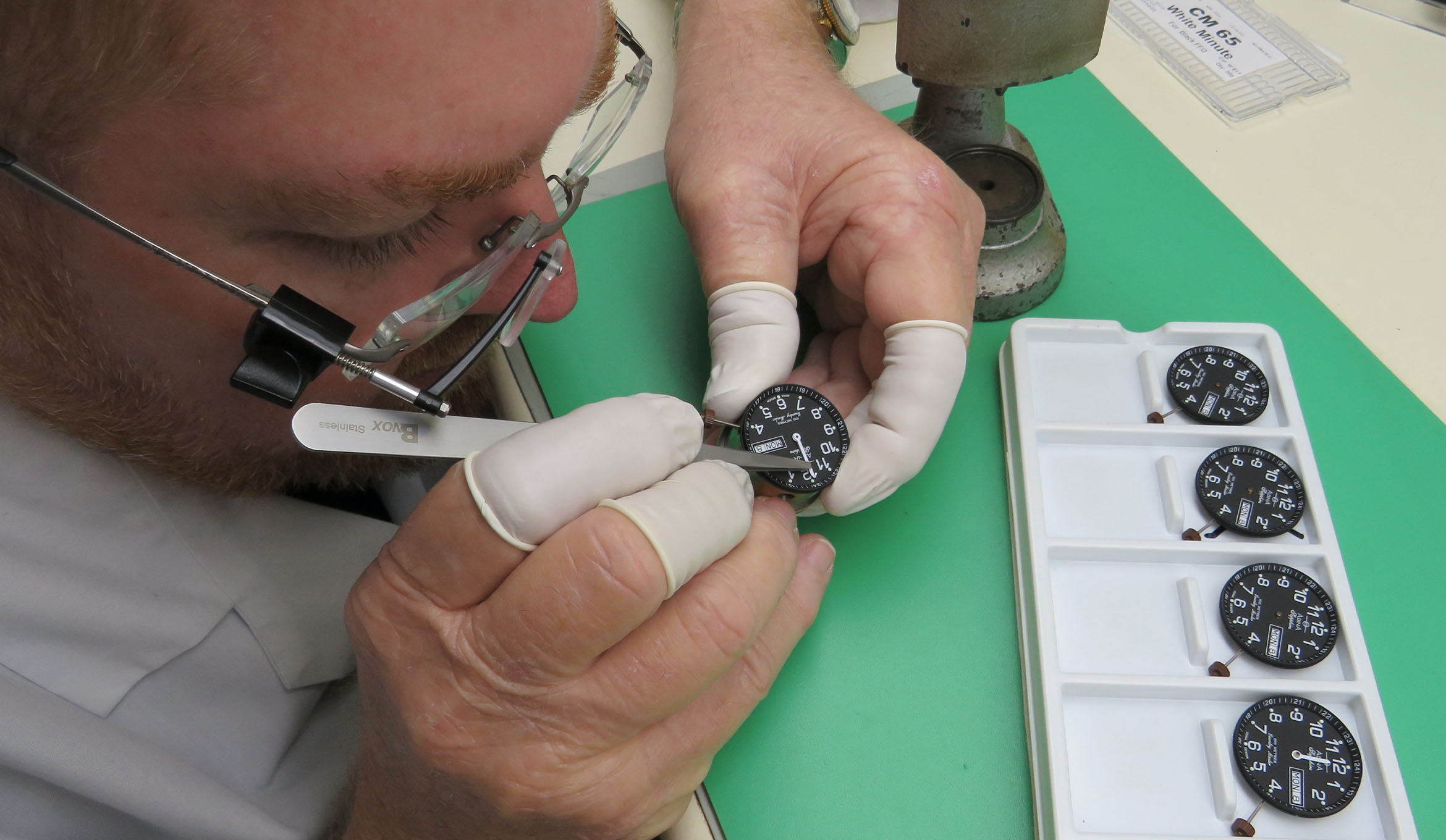
At Adina Watches, we’ve spent more than five decades building watches here in Brisbane. We have seen cycles come and go, currency swings, recessions, globalisation and now geopolitical fragmentation. What remains constant is that Australians value products with genuine provenance. Products made with care, transparency, and a clear story behind them.
Global luxury may be navigating a volatile moment, but the broader shift toward resilience, authenticity and sovereign capability presents an opportunity for Australian manufacturing. If we back our makers, invest in skills and take pride in what we produce locally, Australia can strengthen its position not just as a consumer of premium goods, but as a creator of them.